© 2026 Innoval Digital Solutions Pvt Ltd.
Advanced insights, regulatory updates, and SAP best practices for e invoicing.
Maximizing Efficiency in E-Invoicing Implementation with AIM Methodology - IVLDSP Blog
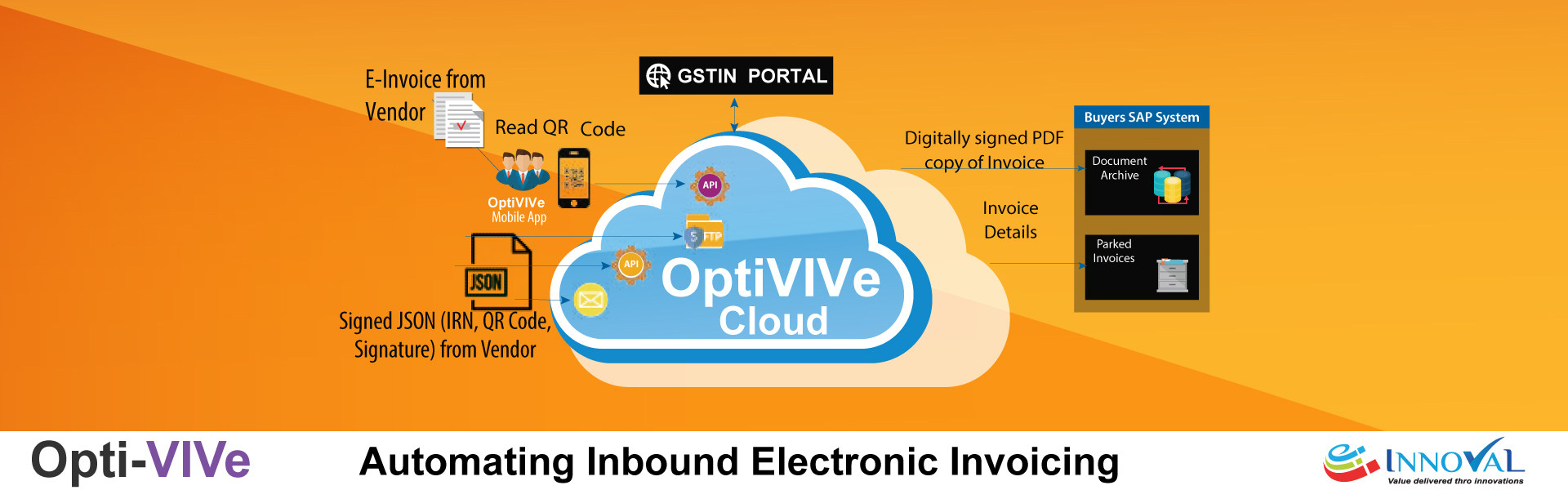
Hassle-free Automation of incoming/vendor e-invoices
Integrated solution for Automation of Inbound E-Invoicing
Adapting to Changes in Export Invoicing with E-Invoicing - IVLDSP Blog
Document Automation and SAP Integration for In-Bound Invoicing: A Complete Guide - IVLDSP Blog
Best practices to follow while generation E - invoicing and steps to taken care while cancelling a E-invoice
What is the best time to cancel an e-invoice for the supply of goods?
E-invoicing is a new reform which entails the generation of invoices in an electronic format, which facilitates machine readability across ERP and tax systems.
E-Invoicing: How Early Adoption Can Benefit Your Business - IVLDSP Blog
Electronic Invoicing in India: Is Your Company Prepared? | IVLDSP Blog
IVL Optie-Invoice Add-On: Simplify E-Invoicing with Advanced Features
Government Notifications and Guidelines of E-Invoicing under GST, Available API, Steps to follow while implementing e-invoice
Steps in e-Invoice generation, The seller generates Invoice in ERP/Accounting software
How to Start E Invoice Processing? GSTN has published the sandbox API which is made available for the purpose of testing.
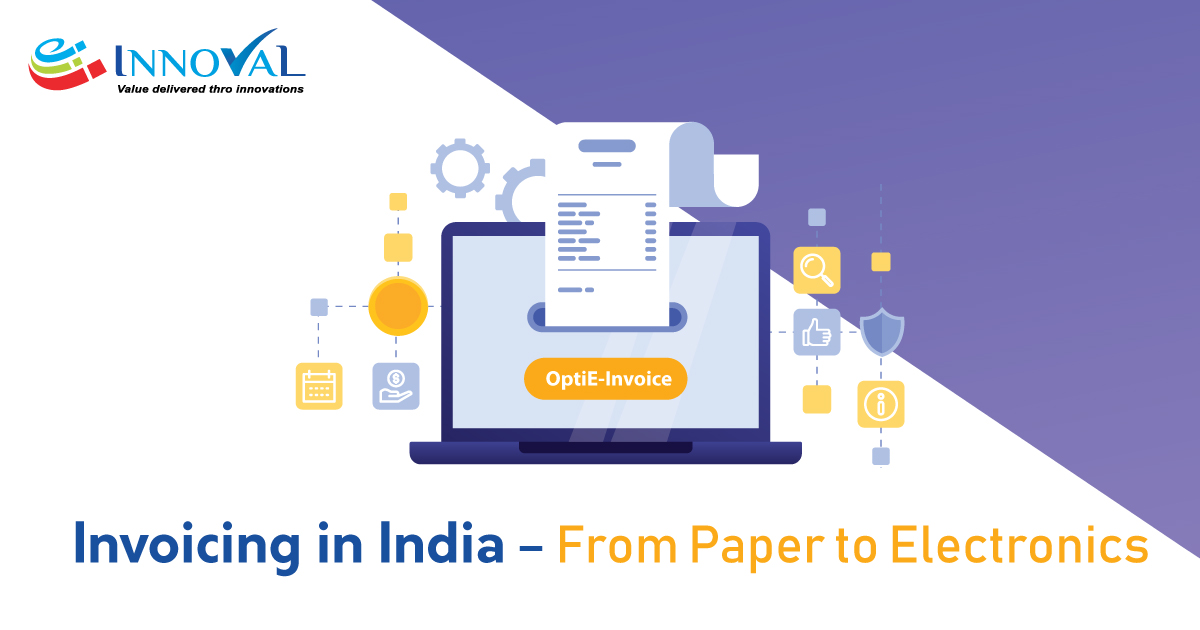
Electronic invoicing (e-Invoicing) is the exchange of the invoice document between a supplier and a buyer in an integrated electronic format. Traditionally, invoicing, being a paper-based process, involved manual effort and is error prone. This means increased costs and processing/ payment lifecycles for companies.
OptiE-invoice is a ready-to-use product designed specifically for SAP ECC/S4 HANA system users in India.
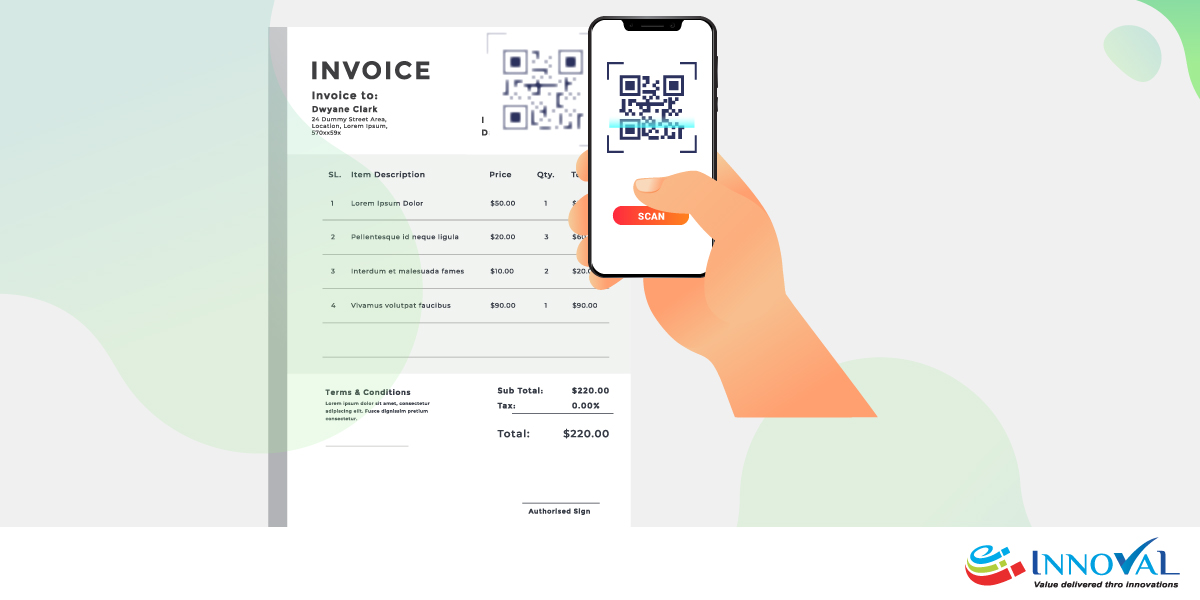
Streamline B2C Invoicing with QR Codes and Digital Display: A Complete Guide
As a last chance, in the initial phase of implementation of e-invoice, it has been decided that the invoices issued by such taxpayers during October 2020 without following the manner prescribed under rule 48(4), shall be deemed to be valid and the penalty leviable under section 122of the CGST Act, 2017, for such non-adherence to provisions, shall stand waived if the Invoice Reference Number (IRN) for such invoices is obtained from the Invoice Reference Portal (IRP) within 30 days of date of invoice. You still have a chance to implement OptiE-invoice We will make that happen before 1st November who missed the bus
Government of India announced the adoption of electronic invoicing (e-invoicing) from January 2020. Initially, this will on trial, and voluntary, but will in due course be a mandatory requirement for all B2B (Business To Business) invoices. Though the primary aim of the government is to improve tax compliance, adoption of e-invoicing can bring numerous benefits to both the seller and the buyer. These include reduced payment cycles, quicker input tax credits, better compliance, and lesser clerical errors.
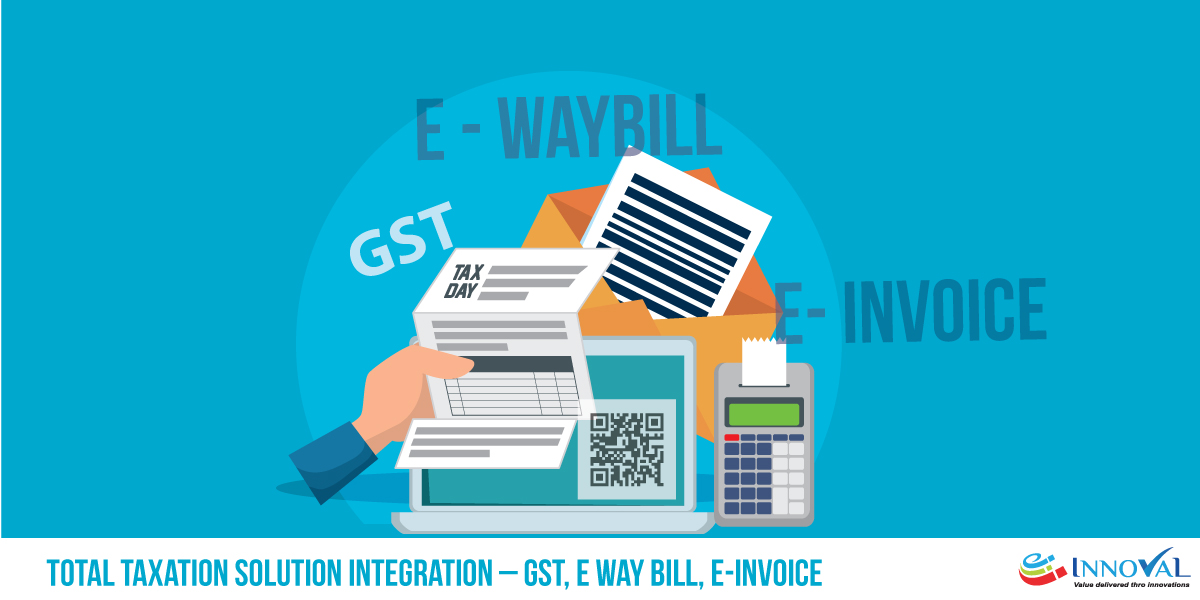
Achieving Total Taxation Integration with GST, E-Way Bill, and E-Invoice: A Complete Guide - IVLDSP Blog
Voluntary e-invoicing : There are taxpayers for whom e-invoicing is voluntary as of April 2020 (based on annual turnover thresholds). We could therefore still have vendor invoices without any e-invoicesto auto-populate the GSTN data. In other words, vendor GST reconciliation would still be relevant for organizations having such vendors in the Accounts Payable cycle.
Since there is a need for GST Returns / reconciliation solution even beyond the e-invoice rollout, integration of applications would be even more important. Are there any outward supplies done without e-invoice? If the supply comes under the revised provisions of Rule 48 (Manner of issuing invoice) under the CGST Rules, Part A (Chapter VI), such an invoice is invalid. From an audit perspective, reports linking all relevant invoices with a valid e-invoice would be important.
We believe in empowering the business users in such a way that they can do e-invoice generation without worrying at all about the technical details (data validation, transformation, schema validation, JSON conversion, authentications, encryption, API calls etc.).
'E-invoicing' or 'electronic invoicing' is a system in which B2B invoices are authenticated electronically by GSTN/IRP portal of Government of India. This is done by issuing/validating an identification number (IRN) and QR code against every invoice for further use by various Government portal like GSTN or EWay Bill portal.